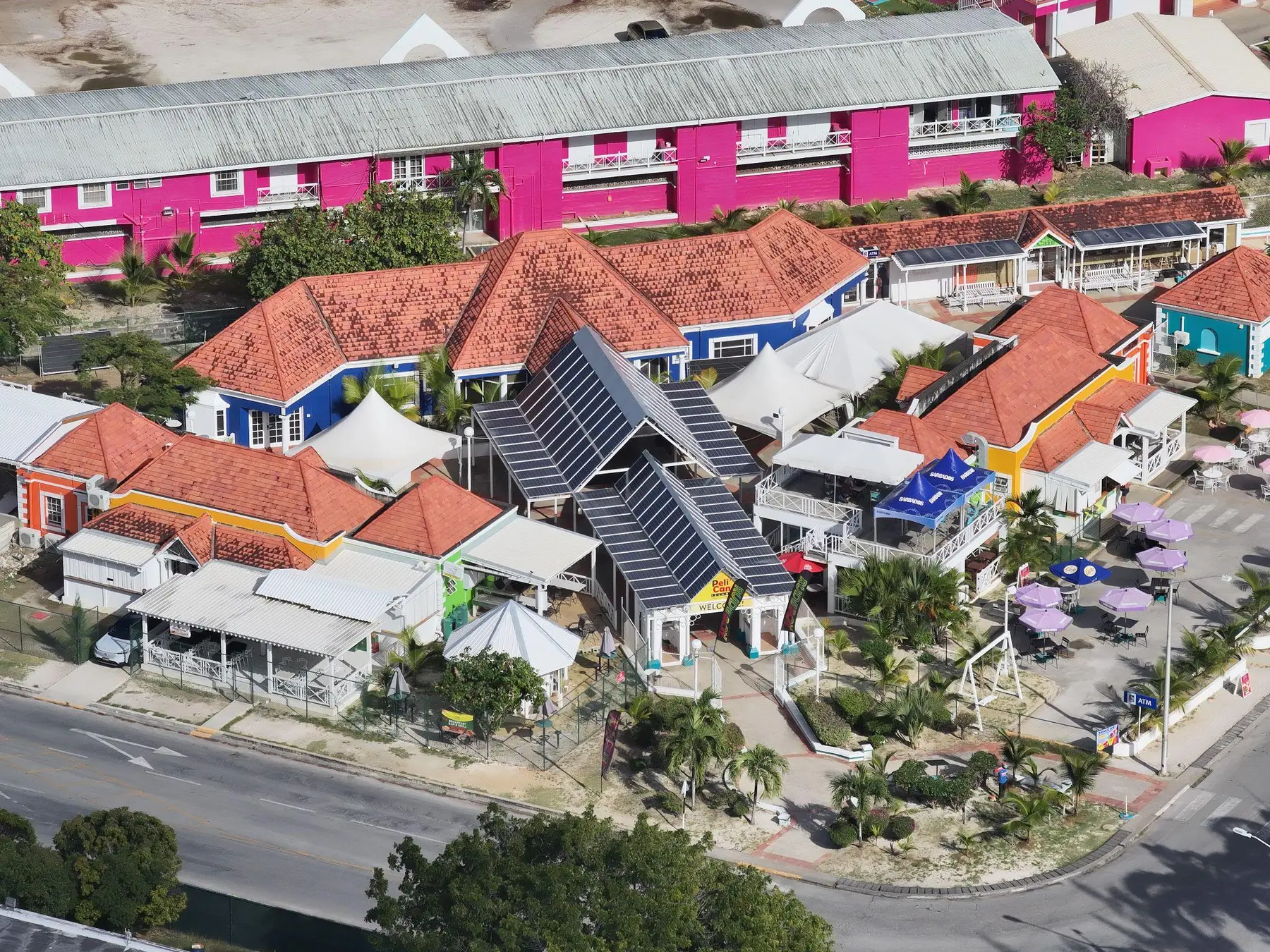
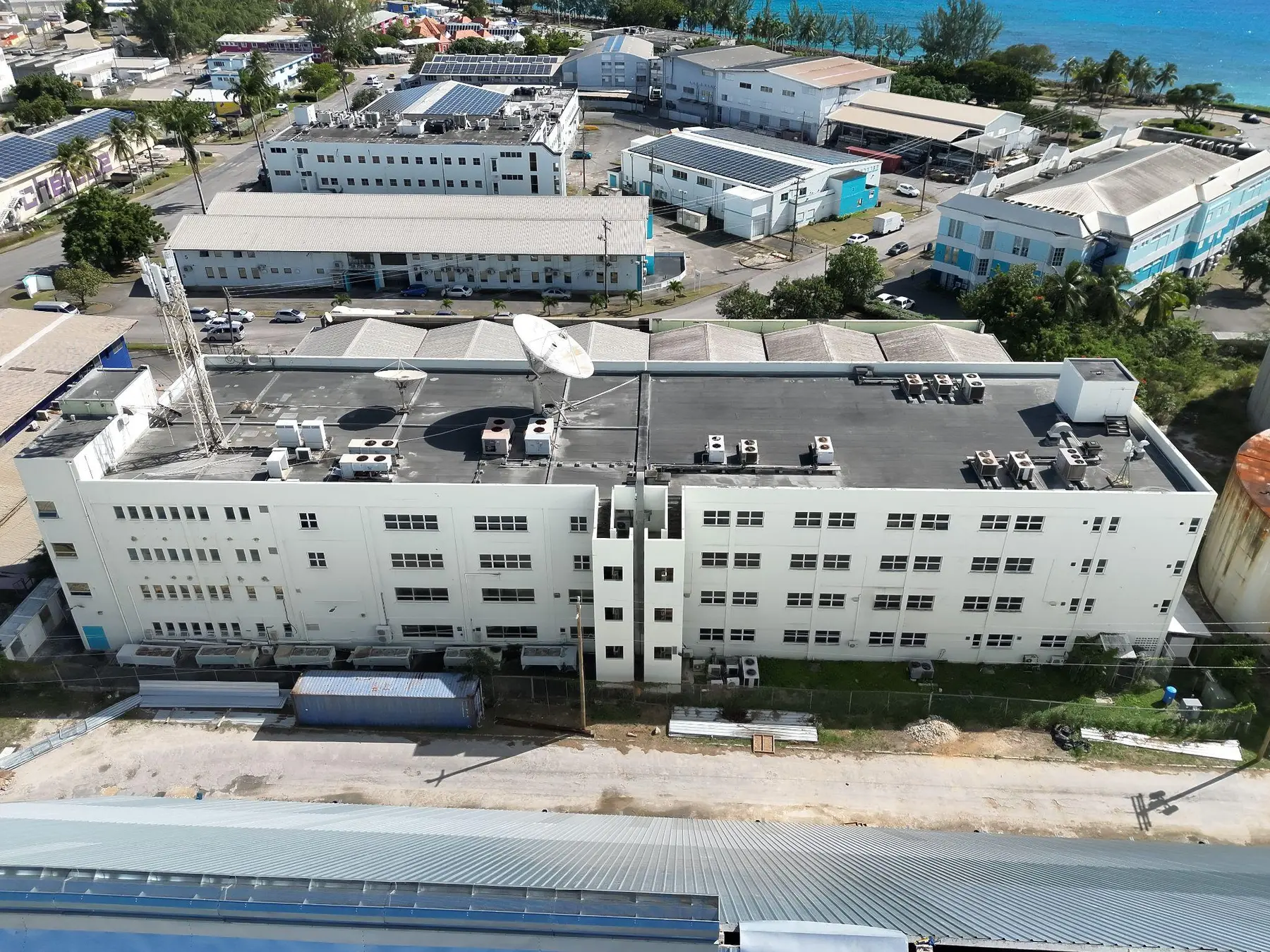
Aerial overview of Pelican Estate captured for an Aerial Asset Inspection and Risk Assessment

KAJH Aerial · Asset condition intelligence

Aerial Asset Inspection
& Risk Assessment

Two estates · BarbadosCapture · Inspect · Prioritise

Assessment overview

More than an
aerial photo record.

Aerial Asset Inspection & Risk Assessment (AAIRA) converts systematic RGB and thermal inspection data into documented asset-condition findings, risk assessment and prioritised maintenance or corrective-action information.

This consolidated case study draws from Pelican Estate and Harbour Estate. Roof condition, drainage, mechanical equipment, building-envelope interfaces, PV systems and potential safety hazards were reviewed, documented and organised by condition, risk and response priority.

Assessment
Multi-site estate condition review
Locations
Pelican Estate · Harbour Estate
Capture
High-resolution RGB + thermal
Output
Prioritised findings and actions

Multi-site coverage

One method.
Different assets.

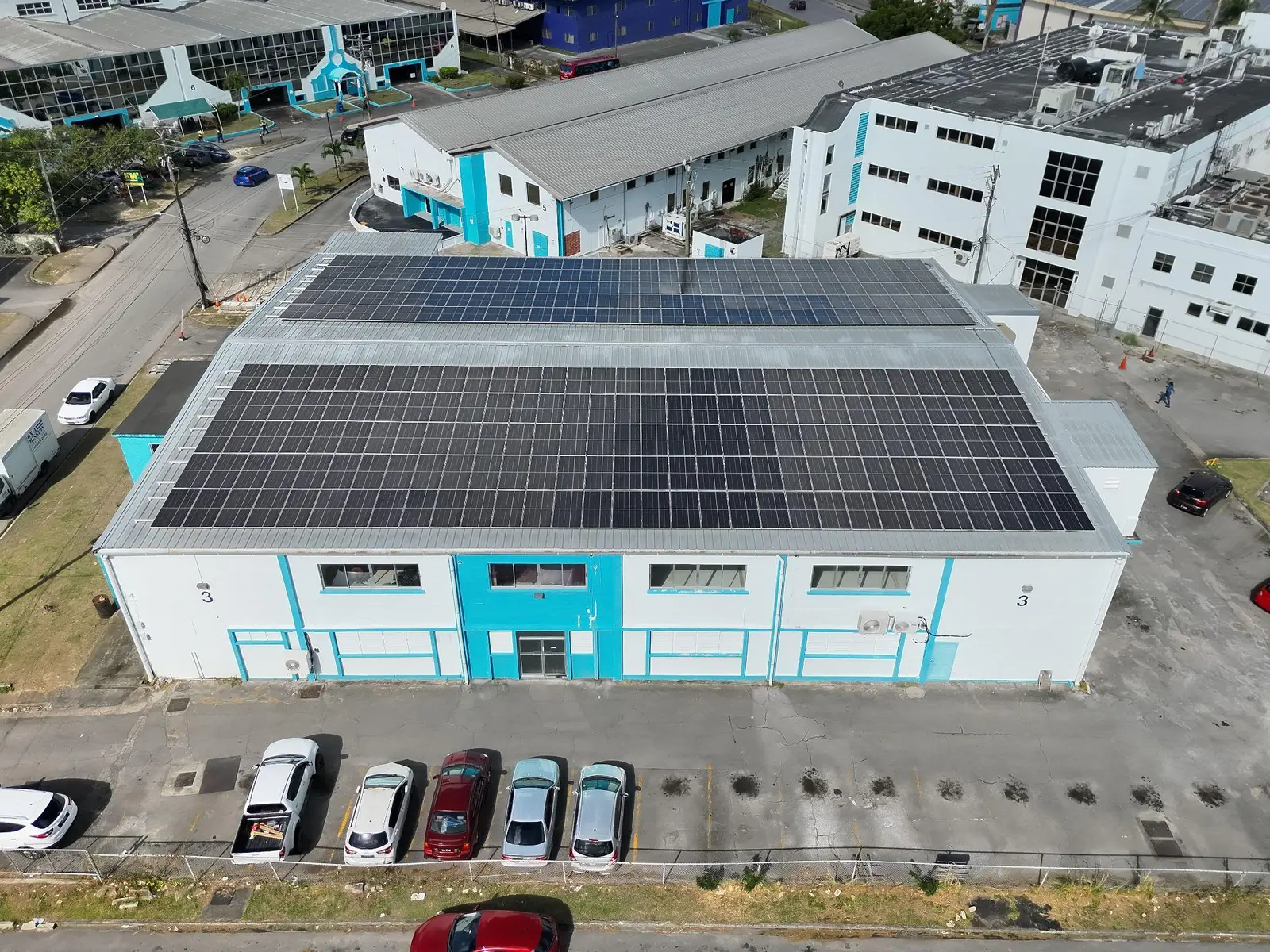
Estate-wide context establishes where each finding sits, while closer image evidence allows maintenance teams to return to the correct building, roof zone or component.

Aerial overview of Pelican Estate
01
Pelican Estate

Mixed roof types, public-facing spaces and distributed buildings assessed as one connected estate.

Aerial overview of Harbour Estate
02
Harbour Estate

Commercial buildings, rooftop plant, drainage systems and PV assets reviewed across the wider estate.

Representative findings

See the condition.
Understand the response.

Each finding pairs clear visual evidence with a practical explanation and response priority. The purpose is not to diagnose beyond the imagery, but to direct the right follow-up at the right time.

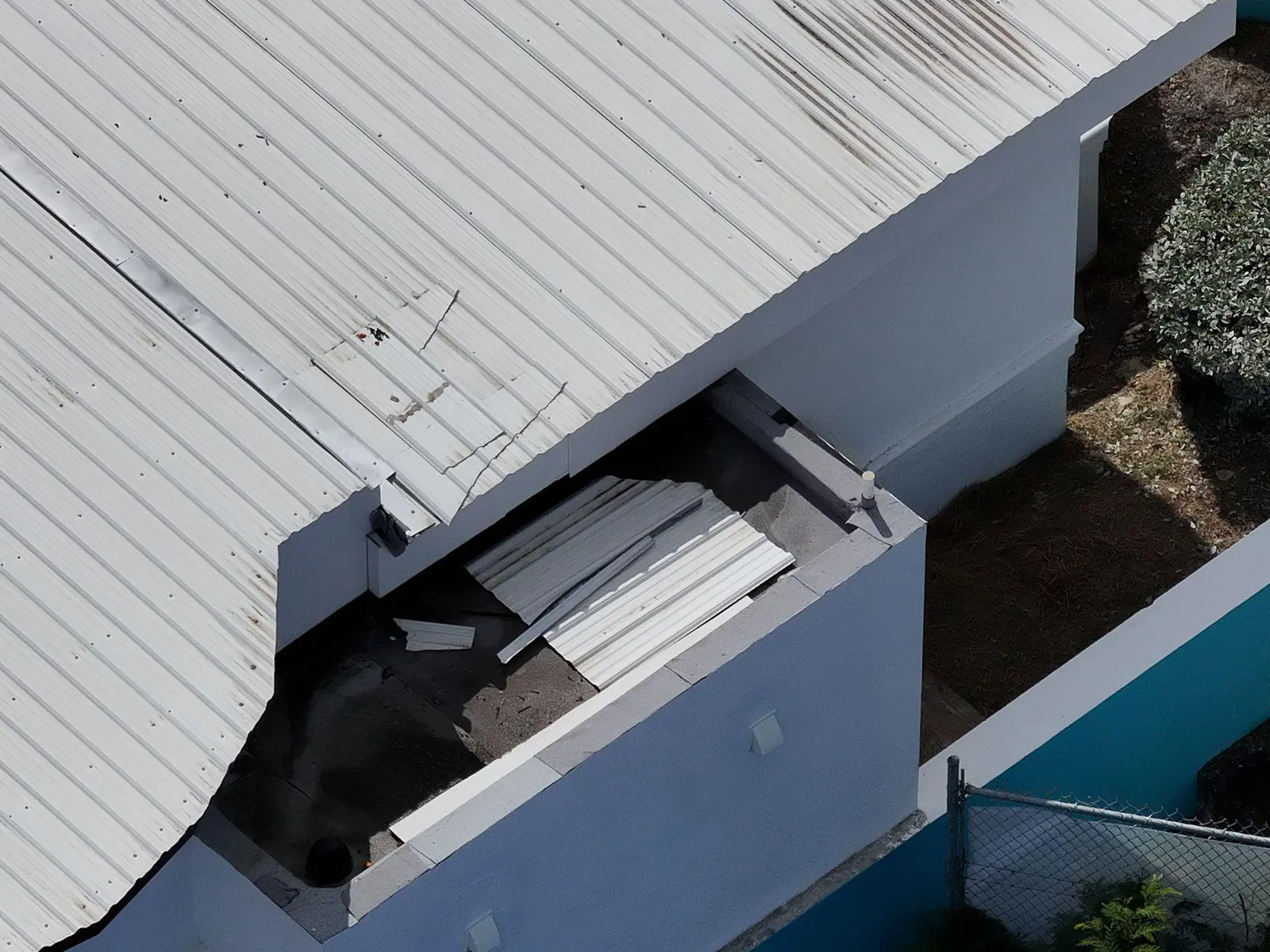
Loose galvanized metal sheets identified on a roof at Pelican EstateImmediate
01

Loose galvanized metal sheets

Safety hazardWind uplift riskImmediate removal recommended

Unsecured metal sheets were documented on the restaurant roof. In high winds they could be displaced and become dangerous wind-borne debris, creating a direct risk to people and neighbouring property.
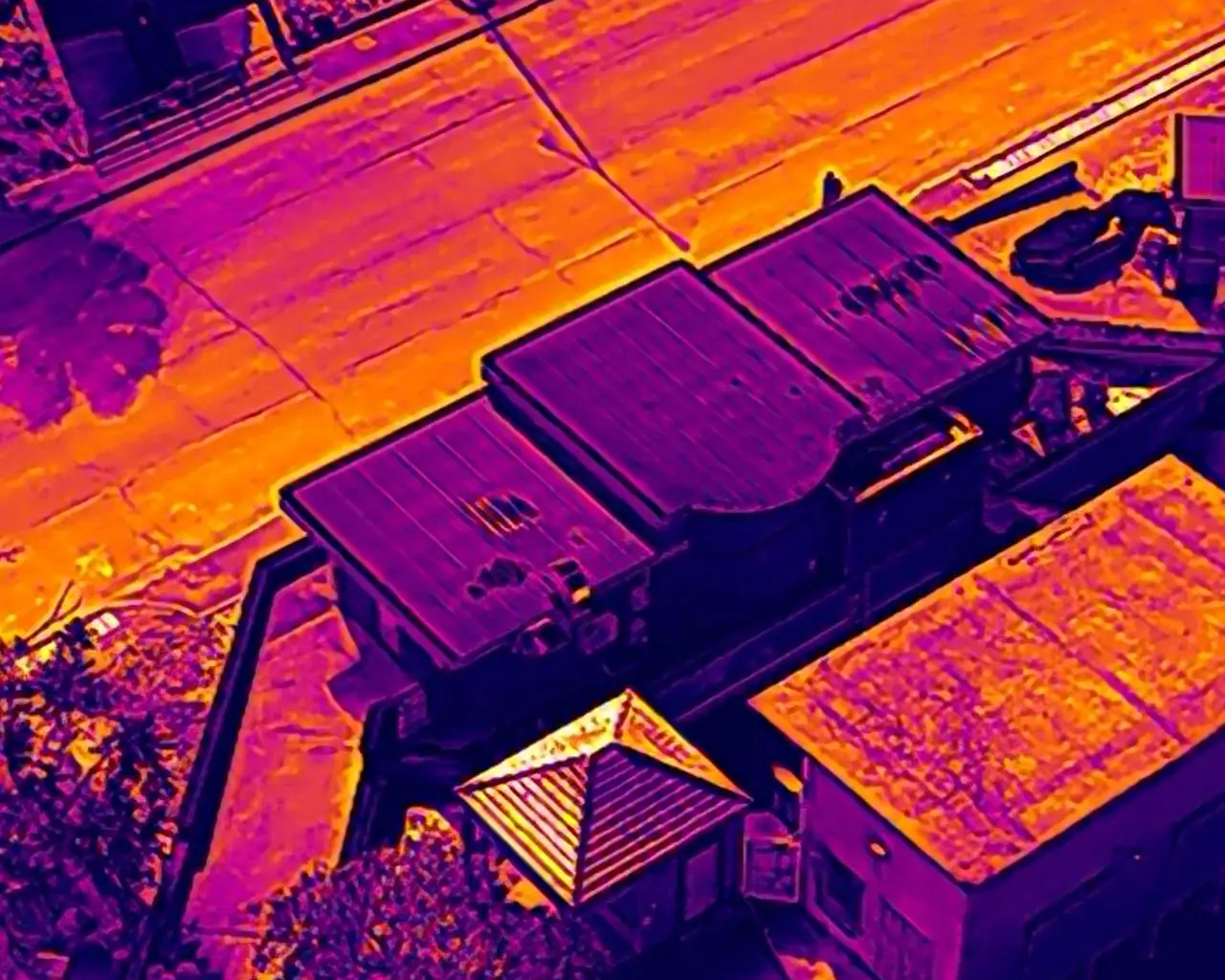
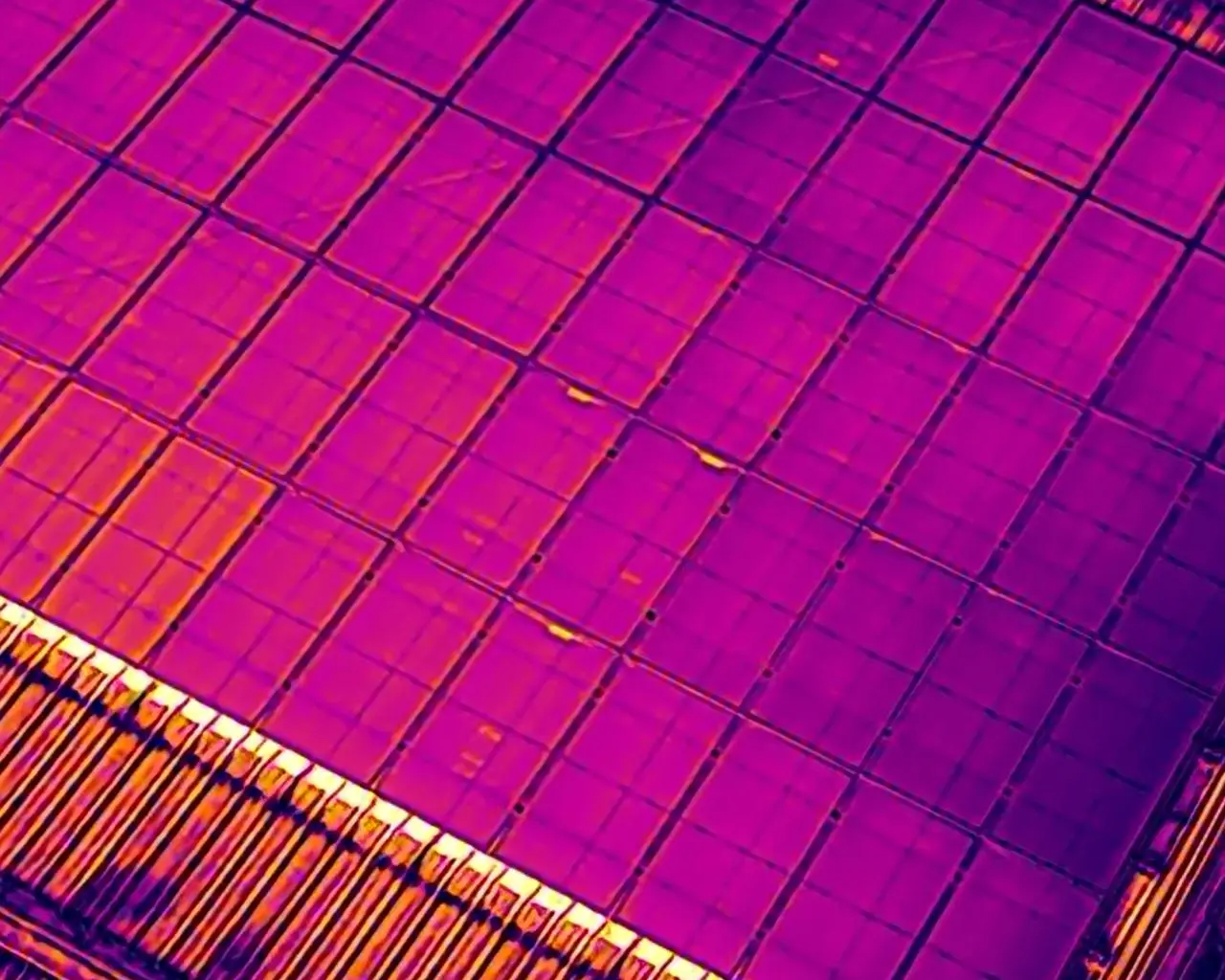
Thermal aerial view showing localized roof anomalies at Pelican EstateShort-term
02

Localized thermal anomaly

Localized thermal anomalyPossible moisture ingressFollow-up investigation

Thermal differences were recorded around roof penetrations and transitions. The pattern may be associated with moisture ingress, degraded seals or underlying material fatigue and warrants targeted investigation before repair is specified.

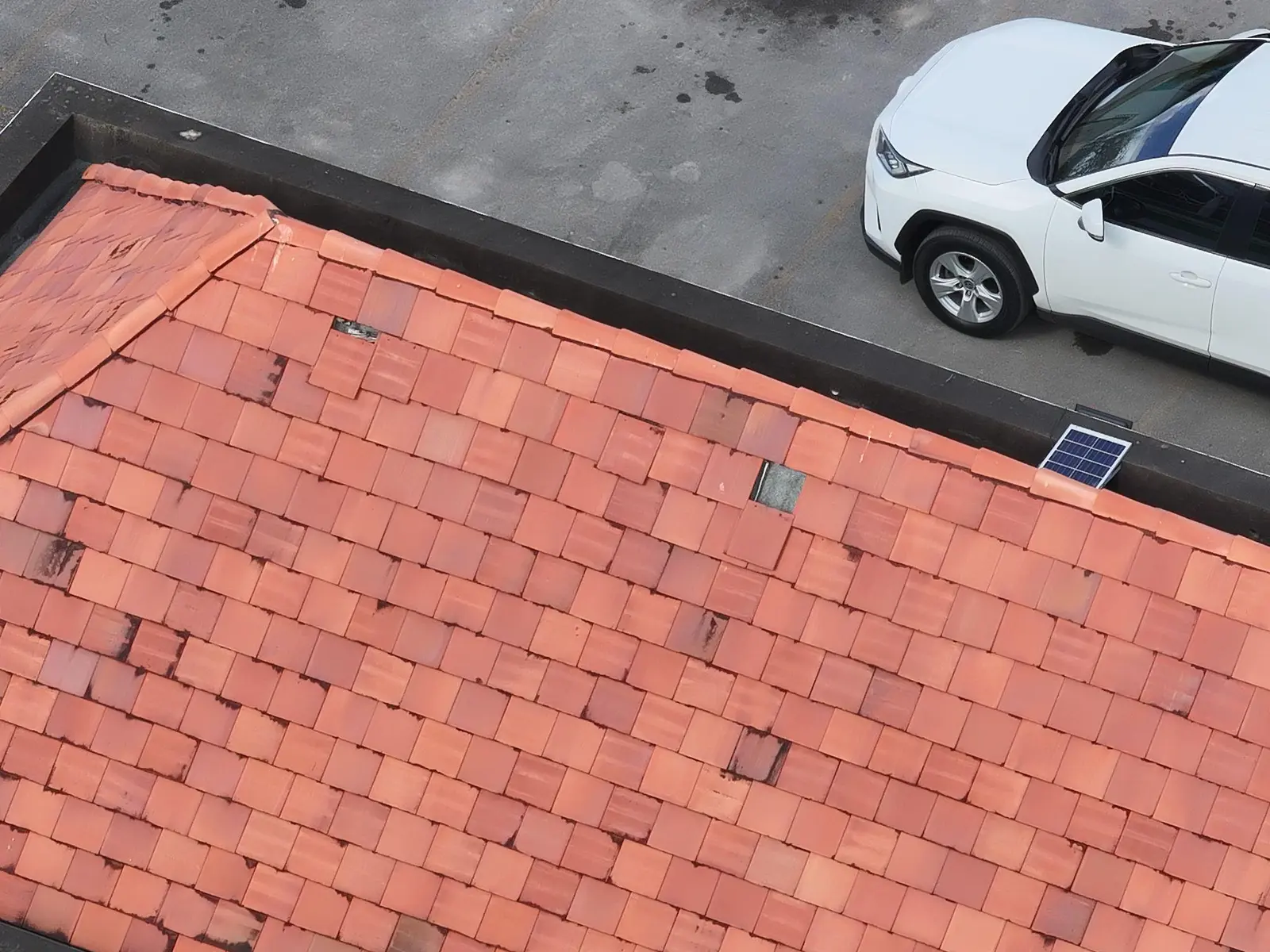
Displaced and damaged clay roof tiles identified at Pelican EstatePlanned
03

Roof tile displacement

Roof tile displacementWater-ingress exposureTargeted repair

Isolated damaged, displaced and missing clay tiles were visible along ridge and field areas. Although the roof did not show widespread failure, these local openings can admit water if left unresolved.

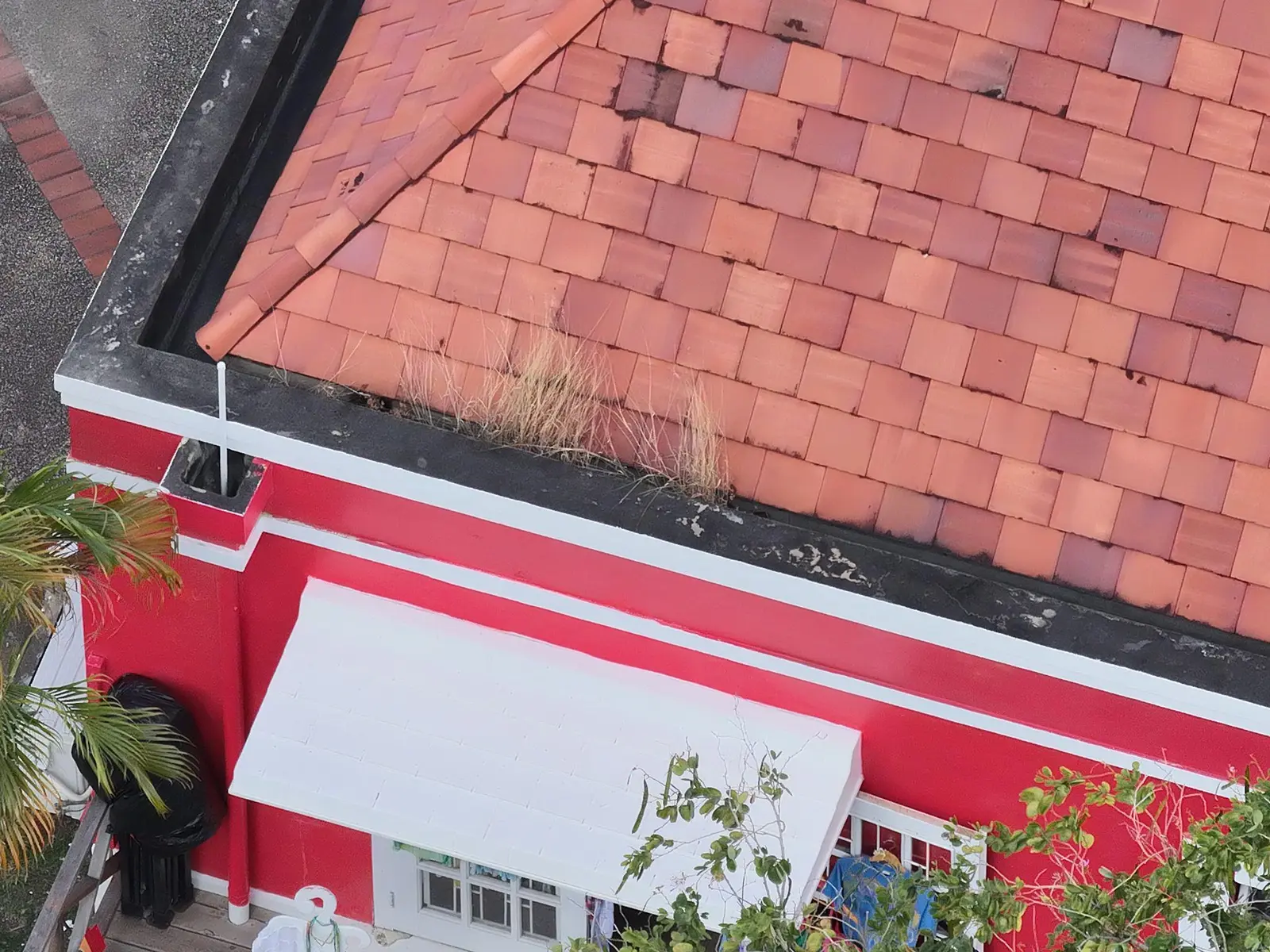
Vegetation and debris restricting a roof-edge gutter at Pelican EstatePlanned
04

Restricted roof drainage

Vegetation growthDebris accumulationRestricted drainage

Vegetation and debris had accumulated along roof edges and parapet gutters. Removing the obstruction helps restore runoff and limits prolonged moisture retention at vulnerable roof interfaces.

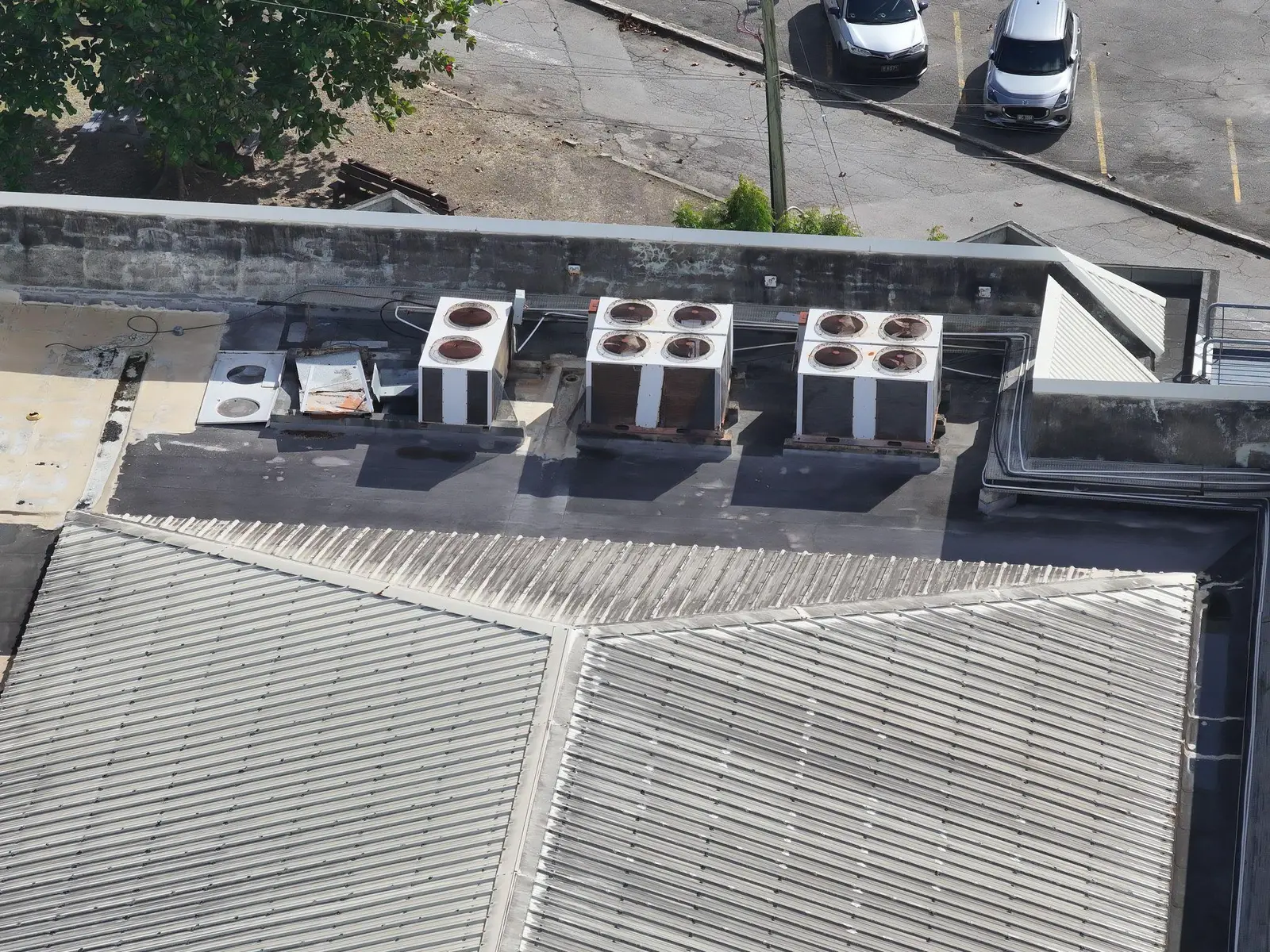
Deteriorated rooftop air-conditioning components identified at Harbour EstateImmediate
05

Deteriorated mechanical components

Loose componentsRooftop equipmentWind-borne debris risk

Loose and deteriorated parts associated with decommissioned or damaged rooftop air-conditioning equipment were identified. Securing, removing or making these components safe was prioritised because of their potential behaviour during severe weather.

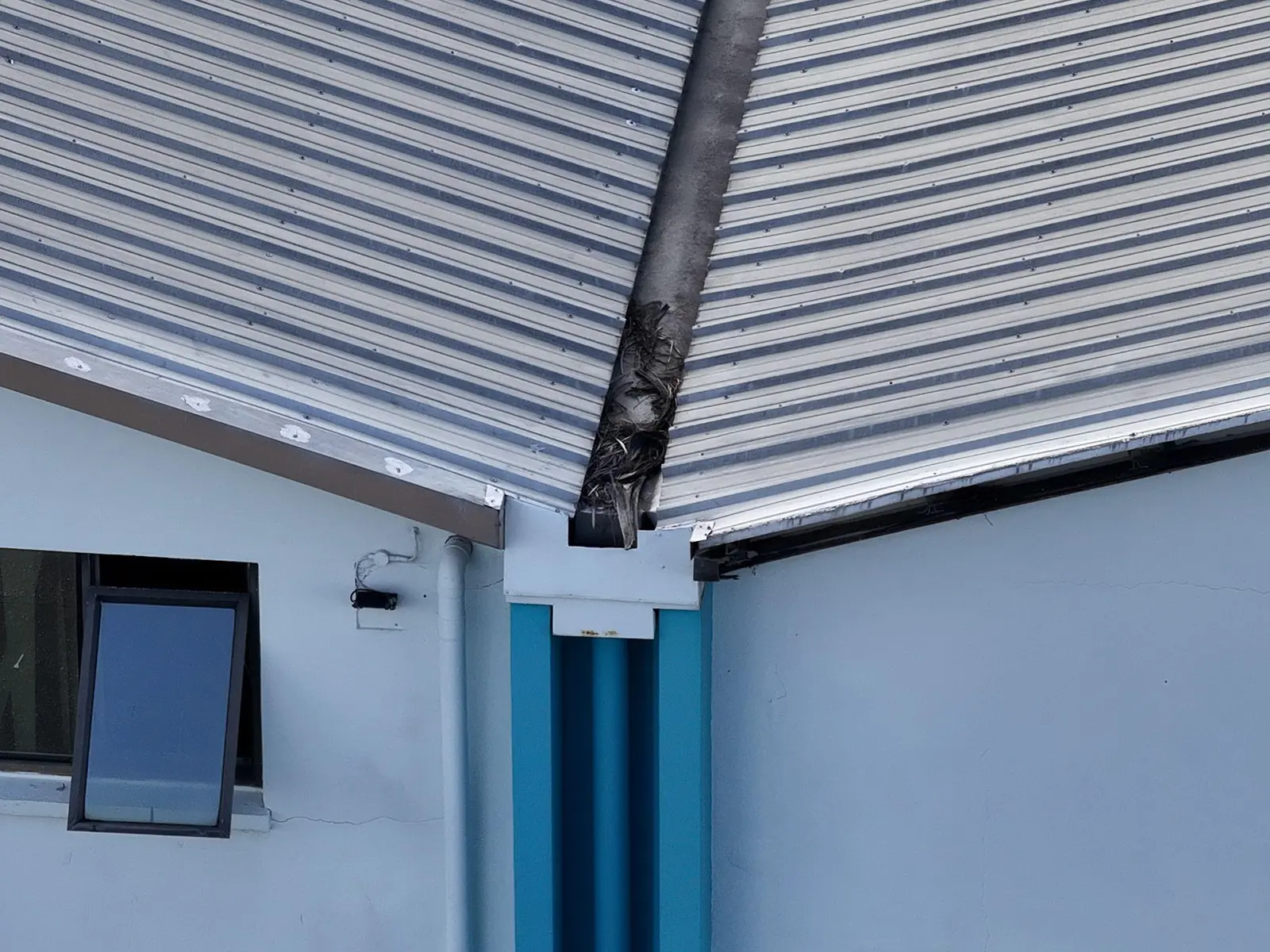
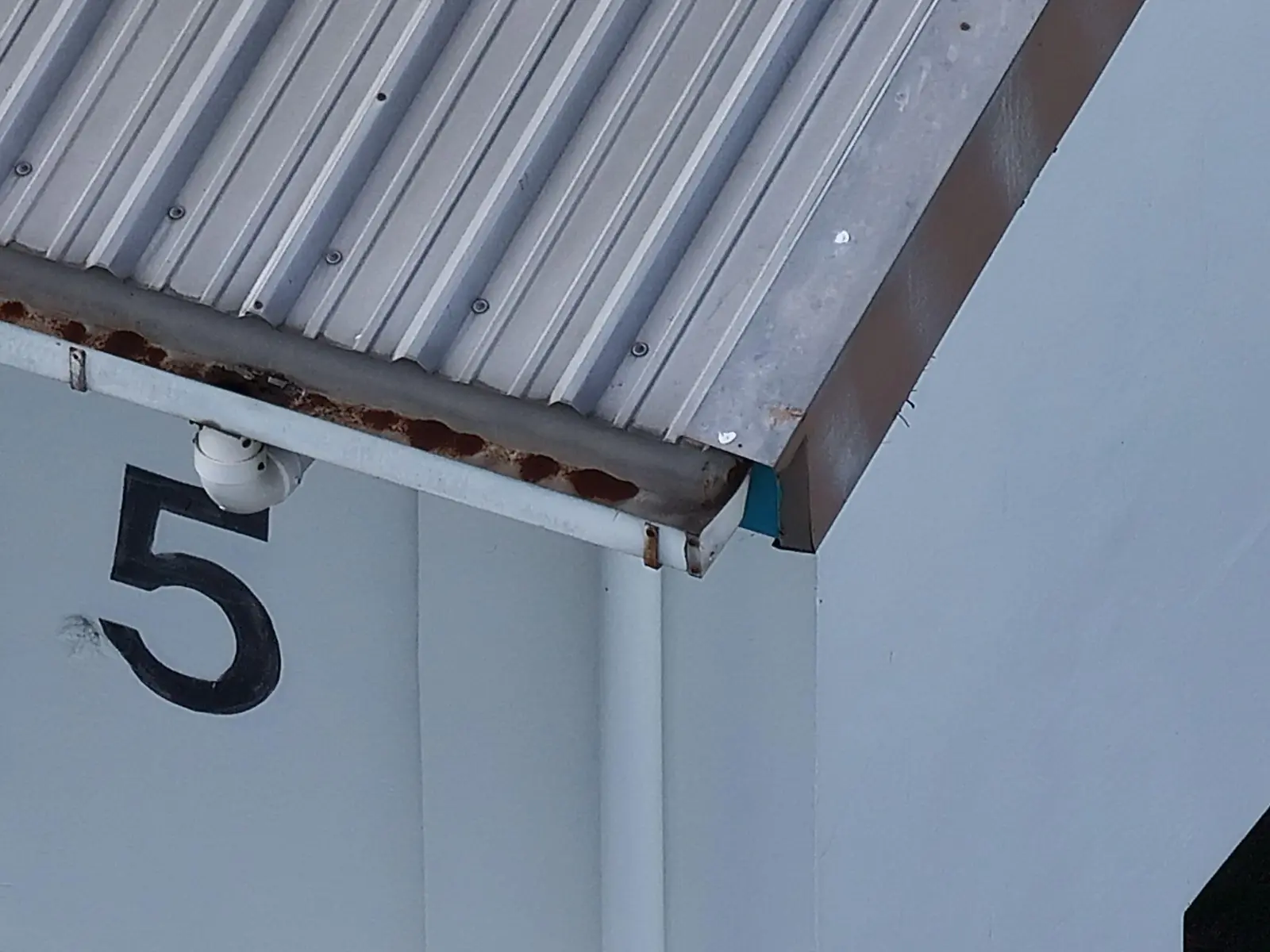
Internal roof valley showing localized water ponding at Harbour EstatePonding and active corrosion supporting imageShort-term
06

Ponding and active corrosion

Localized pondingCorroded guttersReduced drainage performance

Ponding in internal valleys, debris at junctions and active rusting to gutters and roof-edge trims point to reduced drainage performance. The combined condition can accelerate material deterioration and increase the likelihood of local water ingress.

RGB aerial view of a non-operational solar PV array at Harbour EstateNon-operational PV condition supporting imagePlanned
07

Non-operational PV condition

PV system statusIsolated panel damageElectrical verification required

The PV system appeared non-operational or disconnected during inspection. A localized panel anomaly consistent with physical damage was documented, together with lower-edge irregularities associated with historic water exposure. System status should be verified before repair or formal decommissioning decisions are made.

Assessment workflow

Capture.
Assess.
Prioritise.

01

Capture and inspect

Planned aerial coverage documents the estate, individual buildings and difficult-to-access roof areas in consistent visual detail.

02

Identify and assess

RGB and thermal evidence is reviewed for visible defects, abnormal conditions, safety exposure and maintenance-related patterns.

03

Prioritise and act

Findings are organised into immediate, short-term, planned and monitoring responses so asset teams can direct resources with greater clarity.

Aerial observations document conditions visible during the inspection and do not replace intrusive testing, structural certification, electrical diagnosis or specialist trade assessment. Where uncertainty or a material risk exists, the report directs appropriate ground-level verification and corrective action.

KAJH Aerial · Barbados

Manage more assets
with a clearer view.